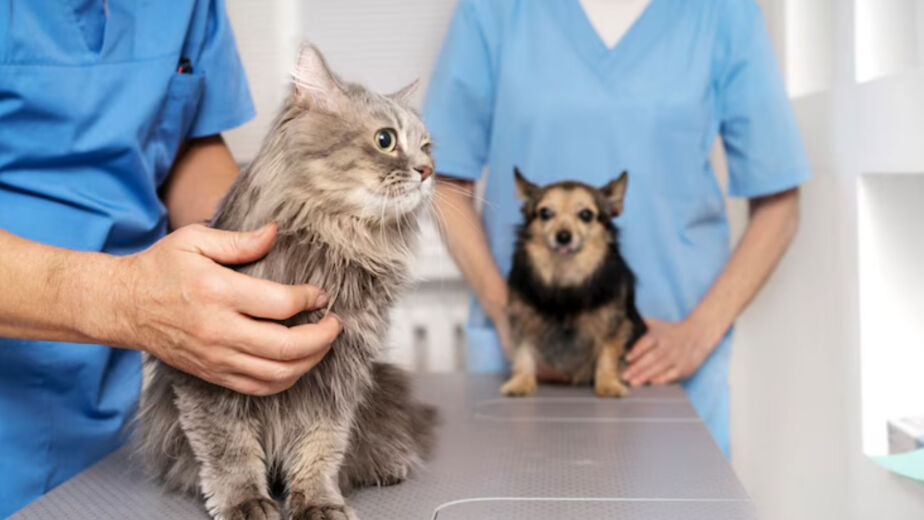
Introduction
When we think of vet visits, we typically think of shots, checkups, and labs. But a pet’s mental and emotional state is just as vital. Recognizing and addressing behavioral health helps prevent issues before they escalate, strengthens the bond between you and your pet, and sets the stage for a happier, healthier life. Welcome to Happy Tails Vet, where caring for the mind is as important as caring for the body.
1. What Is Behavioral Health?
Defined: Includes anxiety, fear, aggression, compulsive habits, separation anxiety, phobias.
Why it matters: Behavioral issues reduce quality of life and can be indicators of medical conditions.
2. Common Behavioral Concerns
Separation anxiety: Crying, destructive chewing, bathroom accidents—symptoms of stress.
Fear-based behavior: Reacting strongly to new people, vet visits, loud noises.
Aggression issues: Resource guarding, fear-based attacking, redirected aggression—often misinterpreted as “bad” behavior.
Obsessive-compulsive activity: Excessive licking, pacing, or tail chasing—signs of underlying stress or boredom.
3. Identifying the Root Causes
Medical triggers: Pain, endocrine issues, neurological disorders.
Socialization & training gaps: Lack of exposure to environments, people, or animals.
Environmental stressors: Changes in routine, loud noises, confined spaces.
4. How We Help at Happy Tails Vet
Comprehensive behavior assessments: Our team takes detailed history, uses standardized tools to evaluate stress.
Behavior modification plans: Based on evidence—positive reinforcement, desensitization, structured exercises.
Training & (referral) resources: In-house guidance and partnerships with certified behaviorists or trainers when needed.
Medical supports: In certain cases, anti-anxiety medications can help animals engage better with training.
5. Tips for Pet Parents at Home
Create predictability: Structured feeding, walks, playtime.
Mental enrichment: Food puzzles, hide-and-seek toys, varied environments.
Safe retreat zone: Quiet spaces with bedding, calming pheromone diffusers.
Positive engagement: Reward behaviors you want to encourage; avoid punishment for fear-driven actions.
Your pet’s emotional wellbeing is a cornerstone of their overall health. At Happy Tails Vet, we’re dedicated to understanding what makes your pet thrive mentally and emotionally—so both of you can enjoy life together to the fullest. If you’re noticing any behavior changes or concerns, don’t wait—schedule a behavioral consultation today.
At vero eos et accusam
Nullam venenatis augue ut lacinia convallis. Morbi pellentesque diam vitae velit sodales placerat. Cras id sodales dolor. Duis mattis cursus dui, vitae vestibulum nisl rutrum id. Integer massa est, semper vitae est et, vehicula ultrices ante. Sed ac hendrerit orci. Aliquam efficitur luctus elementum.
Integer consequat, dui sit amet porttitor malesuada, arcu ante hendrerit est, nec pulvinar lorem leo ac sapien. Nam ultrices urna nunc, at volutpat odio consectetur sed.
Peter Smith
Mauris sed cursus nisi, sed luctus felis. Suspendisse lacinia lacus tincidunt sodales finibus. Praesent convallis porta ipsum, non sollicitudin ex sagittis ut. Aliquam egestas lobortis fermentum. Praesent ornare bibendum dui id commodo. Nulla ut velit ac dolor iaculis aliquet.

Curabitur lobortis at ante vitae ultricies
Integer pretium eros eget eros faucibus iaculis. Aliquam nibh nisi, tincidunt sed dolor sed, feugiat vulputate massa. Integer accumsan et eros eu faucibus. In at posuere turpis. Nulla nec egestas tellus. Nam convallis diam ac urna posuere, et mattis libero lobortis. Integer auctor urna sed velit mattis.